The Tiger Sanctuary Vietnam
Ending tiger farming starts with somewhere safe for rescued tigers to go.
Nearly 300 tigers are held across 17 privately owned farms and zoos in Vietnam. On tiger farms, many spend their lives in small concrete enclosures, unable to climb, swim or express their natural behaviours. Some are bred to supply the illegal trade in tiger products, including tiger bone glue.But even when authorities are ready to confiscate a tiger, or an owner is willing to surrender one, there may be nowhere suitable for the animal to go. Every rescued tiger needs specialist veterinary care and a permanent home. Without enough appropriate sanctuary space, rescues can be delayed or lost, limiting action against facilities of concern.The Tiger Sanctuary Vietnam is being established to help remove this barrier. Working alongside Vietnamese authorities and partners, we will provide expert veterinary care, species-appropriate habitats and lifelong sanctuary for rescued tigers, while creating the placement capacity needed to support enforcement and help end tiger farming in Vietnam.We are now preparing to assess potential sites, develop the sanctuary model and build the partnerships needed to make it a reality.
Wild is where tigers belong. Sanctuary is for those who can no longer go home.
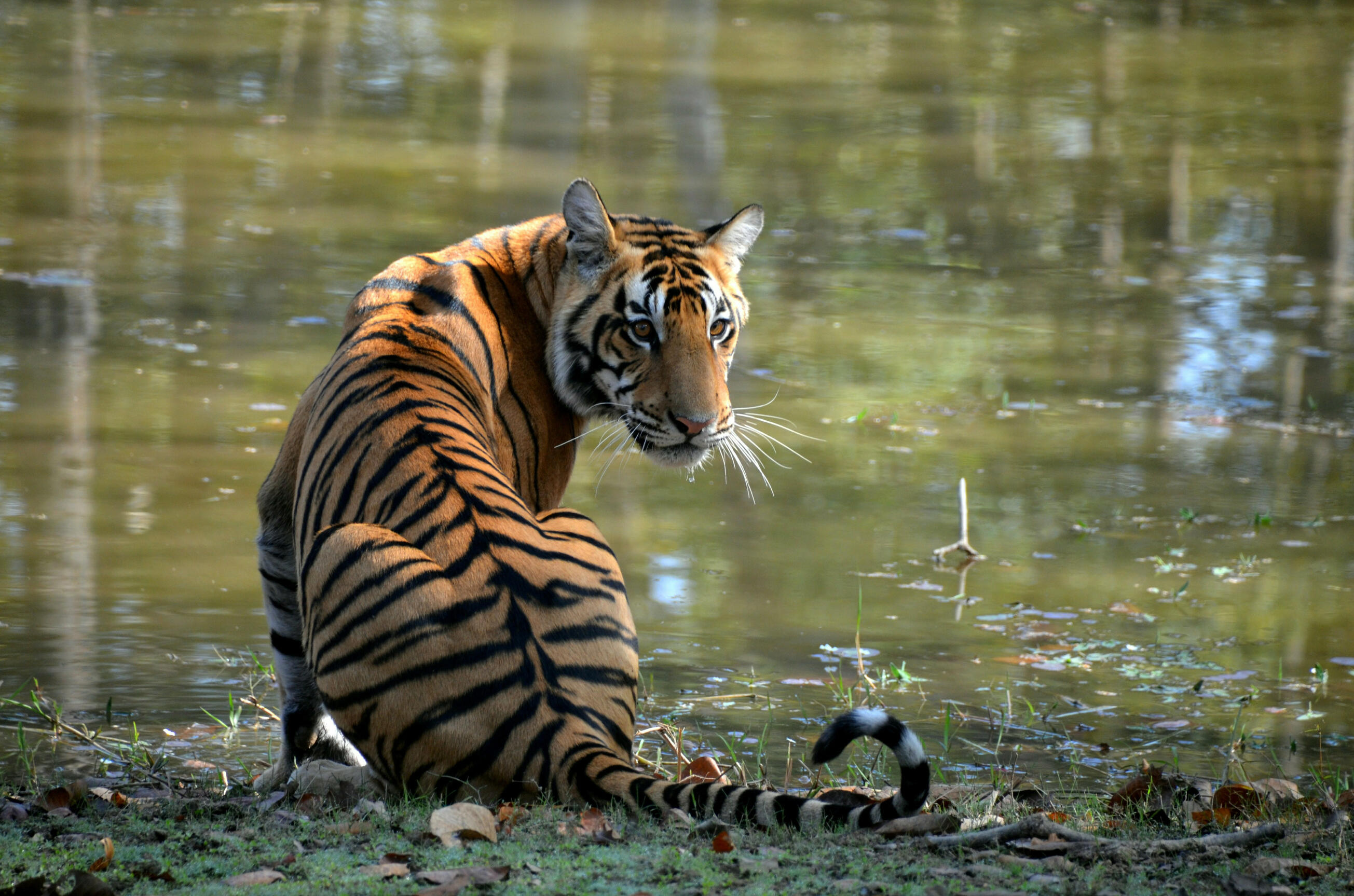
Photo: A Bengal tiger in the wild. Photo: © Suzie Marsh, used with permission.
Why this matters
"When a tiger is rescued, where does it go?"That question sits at the heart of tiger conservation in Vietnam.Authorities continue to investigate wildlife crime and remove tigers from illegal and unsuitable facilities. But confiscating a tiger is only the beginning. Every rescued tiger needs expert veterinary care, secure transport and a permanent home that can meet its physical and behavioural needs for the rest of its life.Without appropriate sanctuary space, opportunities to rescue tigers can be delayed or lost.The Tiger Sanctuary Vietnam exists to help provide that missing piece.
Life on a tiger farm
Tigers do not belong in farms.Many tigers in Vietnam's tiger farms are bred and kept to supply the illegal trade in tiger products, including tiger bone glue, a paste made by boiling tiger bones that is consumed for perceived medicinal benefits.Most farmed tigers spend their entire lives in small concrete enclosures with little opportunity to explore, climb, swim or express the natural behaviours that define them as wild animals.Some are bred repeatedly. Others are kept in barren conditions that provide little mental stimulation or choice.The physical and psychological consequences can be profound, including chronic stress, abnormal repetitive behaviours and poor welfare.Without dedicated sanctuary capacity, many of these tigers cannot be rescued in the first place because authorities need somewhere safe and appropriate to place them. Building sanctuary capacity is therefore not only about providing lifelong care for rescued tigers—it is a critical part of making future rescues possible.
Tigers at a tiger farm in Vietnam.
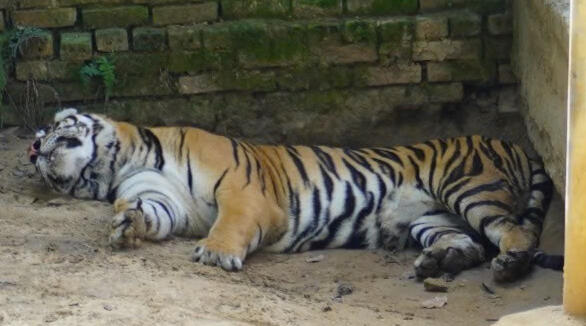
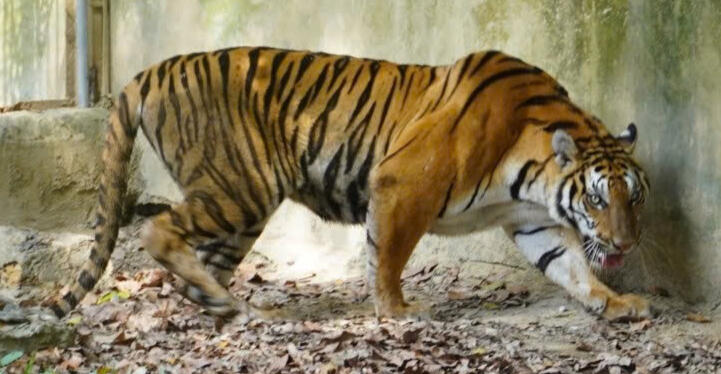
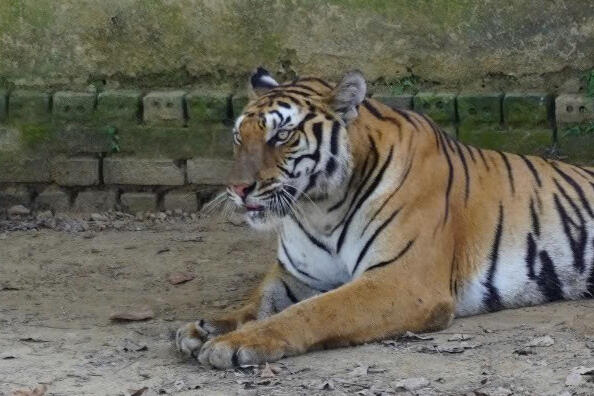
Images used with permission of Vietnam’s Forestry and Forest Protection Department, Ministry of Agriculture and Environment.
Source: Forestry and Forest Protection Department, Vietnam. Images cropped from the originals.
A sanctuary changes everything
A sanctuary does much more than provide a home for rescued big cats.It provides the dedicated long-term sanctuary capacity needed to support Vietnam's efforts to end tiger farming.It gives authorities a specialist destination for rescued tigers, strengthening enforcement against the illegal wildlife trade.It provides lifelong veterinary care, species-specific husbandry and high welfare for tigers that cannot be returned to the wild.It complements the important work of government rescue centres by expanding the country's capacity to care for rescued tigers.And it helps make the closure of tiger farms possible by ensuring rescued tigers have a permanent place to go.A dedicated tiger sanctuary is one of the missing pieces needed to help bring an end to tiger farming in Vietnam.
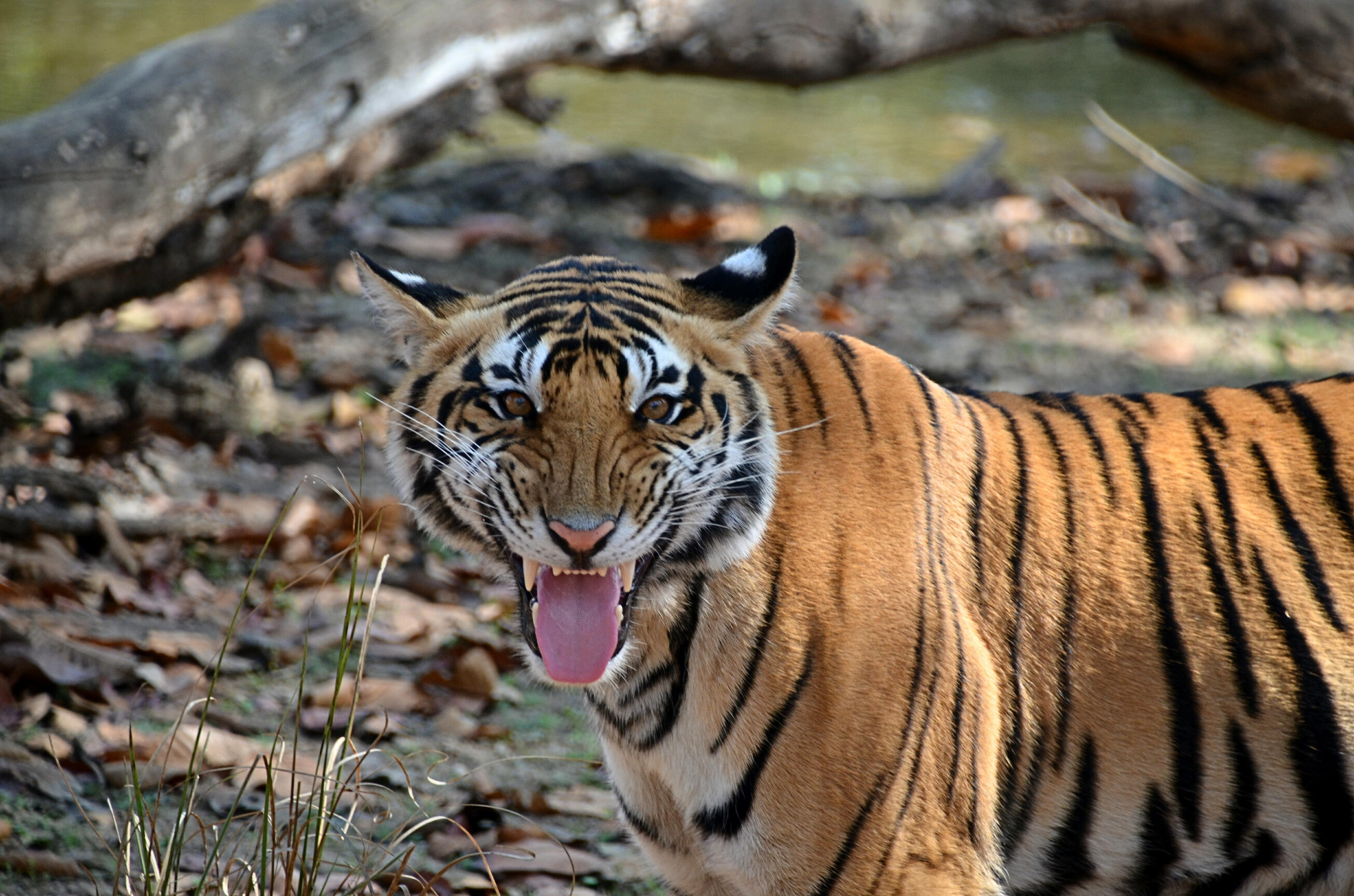
Photo: © Suzie Marsh, used with permission.
A Bengal tiger in India. Vietnam’s last confirmed photographic record of a wild tiger was captured by camera trap in 1999. For tigers who have spent their lives in captivity and cannot return to the wild, sanctuary offers a safe future.
Why now?
Vietnam has an opportunity to act before the challenge becomes even greater.Right now, 286 tigers are being held across 17 privately owned tiger farms and zoos in Vietnam.The country has already demonstrated that meaningful change is possible through collaboration between government, conservation organisations and animal welfare groups.To bring tiger farming to an end, authorities need somewhere to place rescued tigers. Without dedicated sanctuary capacity, there will continue to be practical limits on how many tigers can be removed from illegal facilities and how quickly those facilities can be closed.Building that capacity is not simply about caring for rescued tigers. It is about providing the infrastructure needed to support enforcement and make the end of tiger farming possible.
Our plan
The Tiger Sanctuary Vietnam aims to become a genuine sanctuary, where the welfare and individual needs of every animal come first.Our long-term vision includes:• spacious, naturalistic habitats designed around the behavioural and welfare needs of each tiger• specialist veterinary facilities providing evidence-led care• lifelong sanctuary for confiscated tigers that cannot be returned to the wild• specialist care and rehabilitation for other carnivores affected by the illegal wildlife trade• close collaboration with Vietnamese authorities and conservation partners• sanctuary capacity that enables wildlife law enforcement and makes rescue possible• opportunities to strengthen sanctuary, animal welfare and wildlife veterinary expertise in VietnamEvery decision we make will be guided by compassion, evidence and the individual needs of the animals in our care. We will work openly and collaboratively, share what we learn, and build with the future in mind.
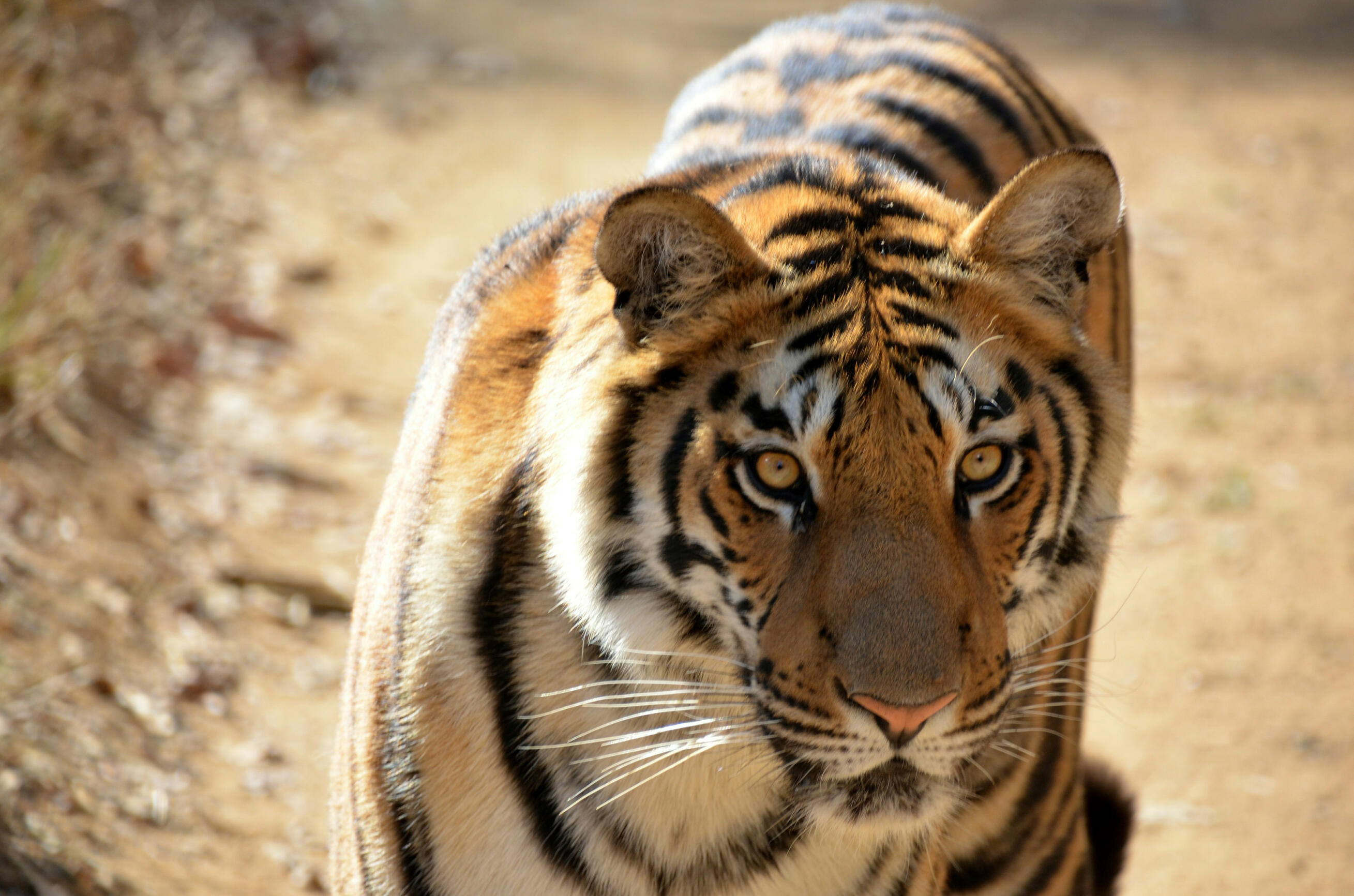
Photo: © Suzie Marsh, used with permission.
A Bengal tiger in India. For rescued tigers in Vietnam who cannot return to the wild, our aim is to provide spacious, naturalistic habitats that give them choice, complexity and opportunities to express their natural behaviours.
OUR Vision
A future where across Asia tigers and other carnivores thrive in the wild, free from trafficking and exploitation.
OUR Mission
We are working to end tiger farming in Vietnam by creating the sanctuary capacity needed for rescue, while providing specialist care for carnivores affected by the illegal wildlife trade.
OUR Values
We are compassionate
We recognise the sentience of animals and their right to their one and only life. This drives us to make that life better wherever we can.
We are evidence-led
As much as possible, our decisions are grounded in science, veterinary medicine and evidence rather than good intentions alone.
We are collaborative
We cannot achieve our mission alone. Government, communities and other organisations are fundamental to our collective success for animals.
We are transparent
We believe trust is earned through openness and honesty. We will be clear about what we do, how we use our resources, what we achieve and where we fall short.
We are future-focused
We look beyond the immediate needs of today and work towards lasting change. We invest in our people, share knowledge and build capacity so that our impact can extend far beyond the animals we directly care for.
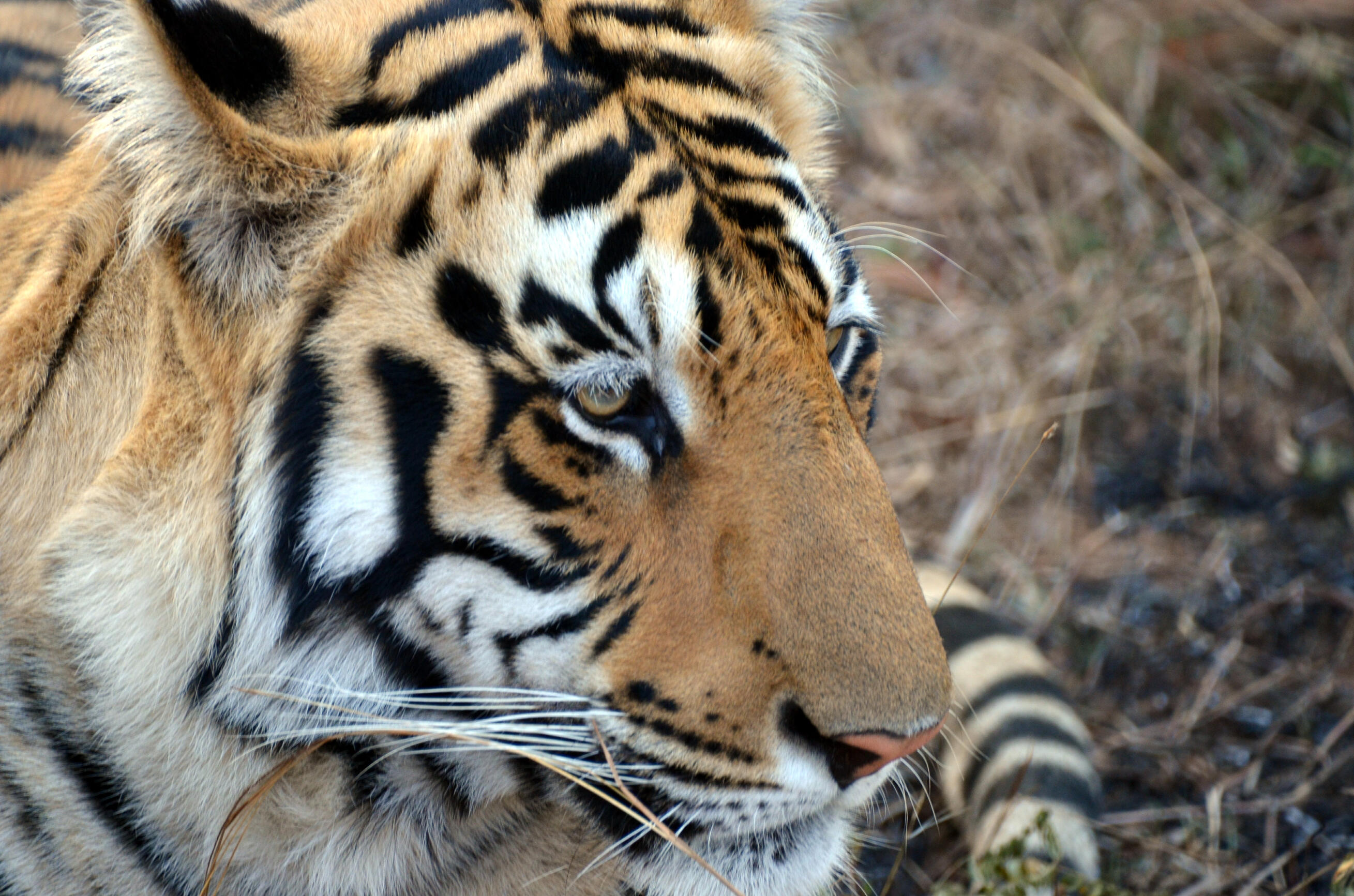
Photo: © Suzie Marsh, used with permission.
A Bengal tiger in the wild. Our vision is a future where tigers across Asia thrive in the wild,
free from trafficking and exploitation.
Who we are
The Tiger Sanctuary Vietnam is being developed by an international team of people with extensive experience in wildlife rescue, sanctuary management, veterinary care and conservation in Vietnam and internationally.The project builds on decades of practical experience working with government agencies, animal welfare organisations and international sanctuary standards to create a lasting solution for rescued tigers.Behind this project is an exceptional group of people. We look forward to introducing our leadership team, trustees and members of our technical advisory team soon.
Contact us
We welcome conversations with conservation organisations, technical experts, supporters and others who share our vision for a future beyond tiger farming.